Published: December 7, 2025
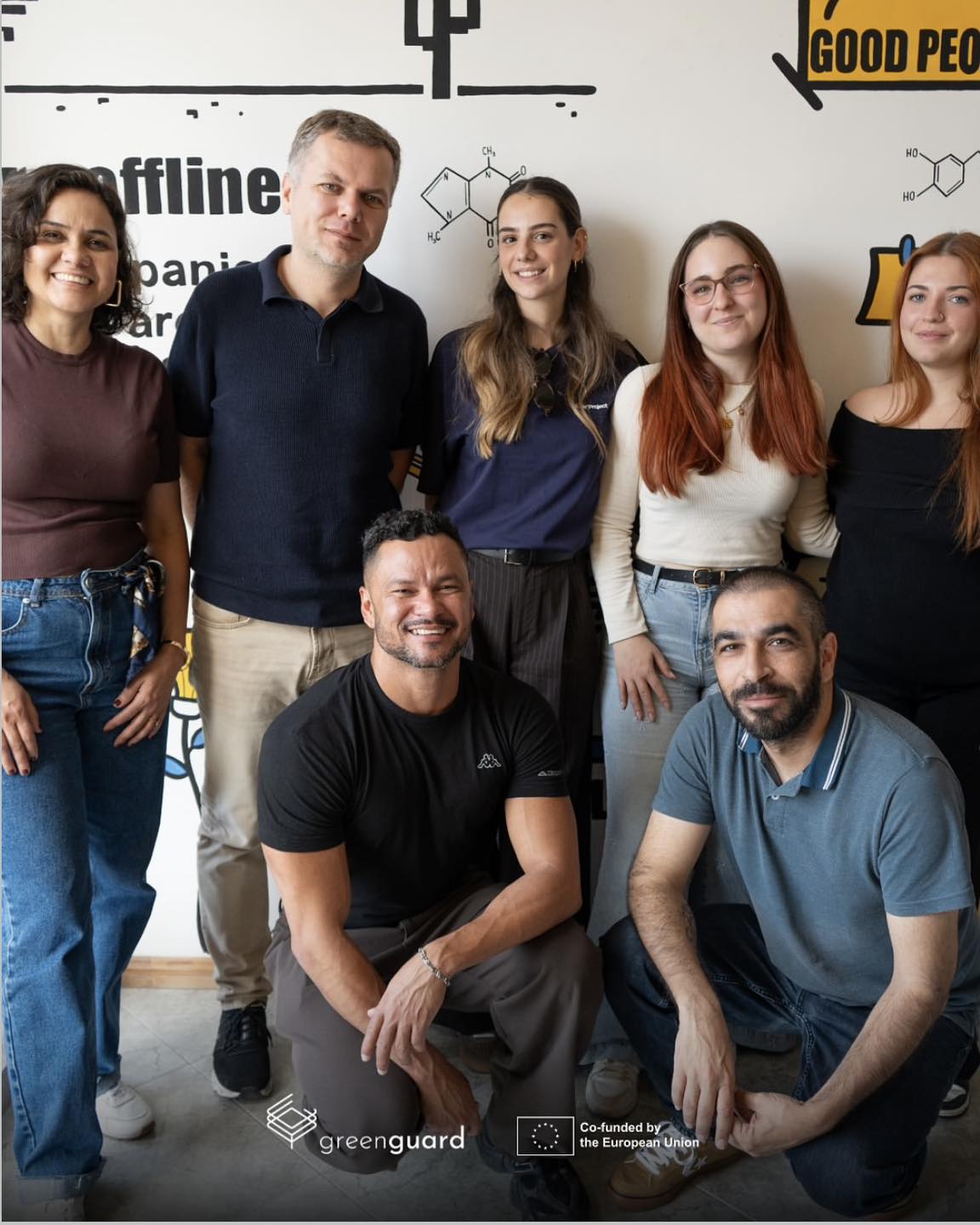
From 24 to 28 October 2025, Faro became the meeting point for eight digital-education and innovation experts from Portugal, Croatia, Germany, and Italy, who came together for an intensive Design ThinkTank. The goal was clear: co-create a coherent digital ecosystem that will support learners, educators, and administrators through an integrated platform, mobile app, eLearning modules, and additional support tools.
Over five working days, the ThinkTank followed a structured progression that moved from defining the core purpose of the digital tools to building concrete design frameworks. The opening day set the foundation by aligning partners around scope, success criteria, user profiles, and educational goals. This shared understanding guided the review of existing digital solutions and helped shape the first set of quality benchmarks that would underpin all future development.
The second and third days focused on deep design work. Experts collaboratively drafted the architecture of the digital platform and mobile application, detailing functionalities for learners, educators, and administrators. Each structural element was directly connected to intended learning outcomes to ensure meaningful pedagogical impact. Inclusion and accessibility remained central throughout the process, with dedicated sessions examining how to remove barriers for users with diverse backgrounds and needs.
Day four expanded this work into the eLearning environment. The group developed a content architecture based on modular learning, micro-learning sequences, assessment touchpoints, and tutor dashboards. The session on localisation ensured that the final tools will be adaptable across languages and cultural contexts, allowing the project to serve a wide and diverse audience.
The final day addressed long-term sustainability and implementation. Participants refined the structure for additional digital tools, discussed risk management and mitigation, and outlined dissemination and outreach strategies to support adoption. The ThinkTank concluded with a formal sign-off of responsibilities and preparation of the handover bundle, ensuring smooth continuation into the development phase.
The collaborative spirit among experts from four countries made the ThinkTank a highly productive and future-oriented event. By the end of the week, the team had built a shared vision and a solid blueprint for innovative, inclusive, and pedagogically grounded digital learning solutions that will shape the next steps of the project.